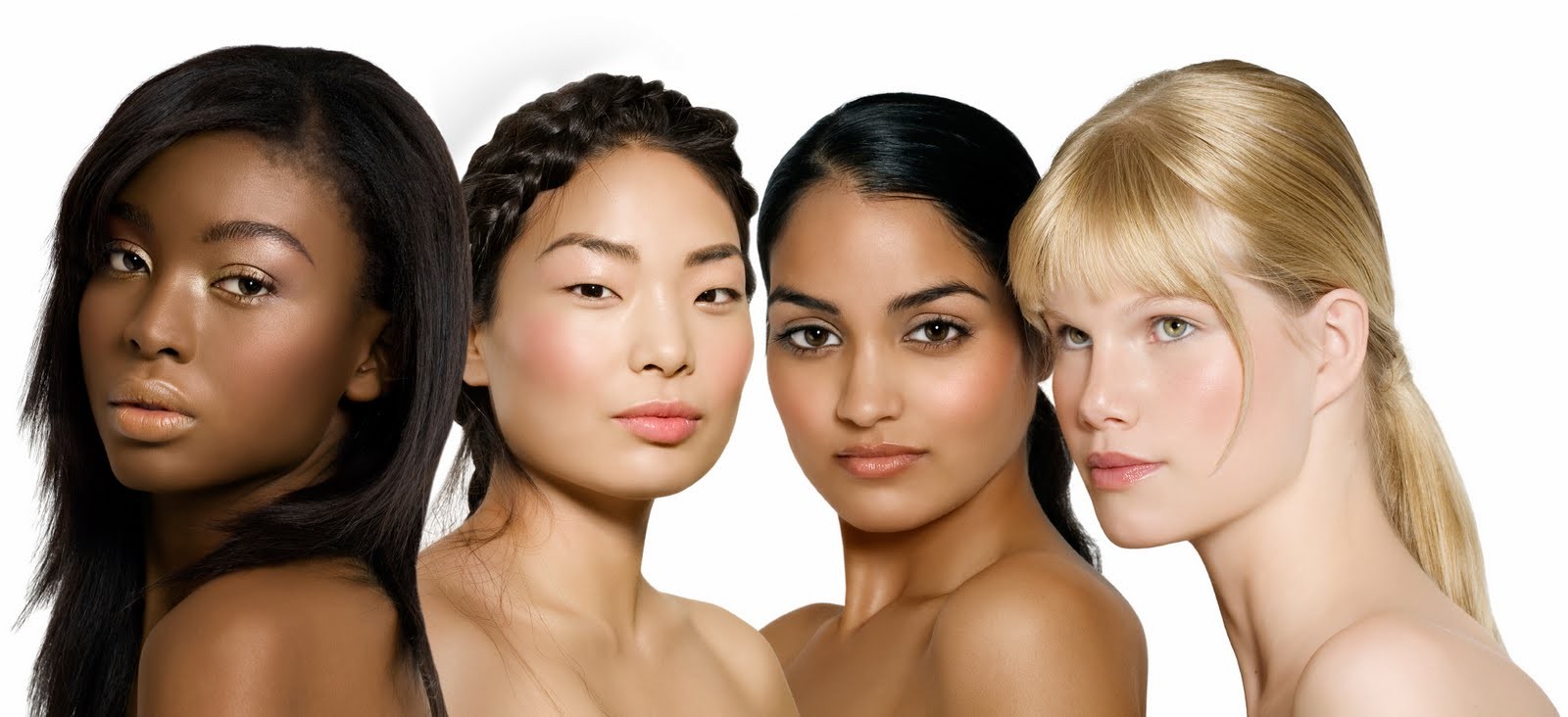
While all human skin has basically the same structure, slight biological differences can make a big deal to the proper care and keeping of your skin. The skin has 3 layers—the epidermis, dermis, and hypodermis, which have different anatomical structures and functions. What is the fitzpatrick skin phototype based on?
A guide to identifying your skin type NØIE NØIE
So, what exactly are the differences between the skin types, and how should they be treated differently? Skin type is determined by genetics. It can change over time.
The skin has many areas of clinical and cosmetic significance, including anatomical variations, congenital defects, signs of aging, skin cancers, acne, infections and infection prevention,.
It covers the entire body. There are four basic types of healthy skin: 1 each skin type has its own set of. Below, we describe the main.
The epidermis, an outermost layer that contains the primary protective structure, the stratum corneum; The fitzpatrick skin type (or phototype) depends on the amount of melanin pigment in the skin. There are five main skin types—oily, normal, combination, dry, and sensitive—and each comes with its own set of benefits and challenges. The skin is the largest organ in the body, covering its entire external surface.
SKIN TYPES & CONDITIONS leaderma
### This article explores the different skin types, their features, and how to tell what kind of skin a person has.
Skin consists of many layers, made of water, protein, fats and minerals. You have three main layers of skin—the epidermis, dermis, and hypodermis (subcutaneous tissue). While everyone needs the essentials. There are five major skin types.
But which one do you have? There are four basic types of healthy skin: Normal, dry, oily and combination skin. You’ve heard the buzz about normal, oily, dry, combination, or sensitive skin types.
Skin Types
### The condition of our skin can, however, vary greatly according to the various internal and external.
Normal, dry, oily and combination skin. It serves as a protective shield against heat, light, injury, and infection. The skin consists of three layers of tissue: Normal, dry, oily, combination (both oily and dry skin) and sensitive.
It also provides skin care tips for each type. The skin is the body's largest organ. Within these layers are additional layers. Skin that has four layers of cells is referred to as “thin skin.” from deep to superficial, these layers are the stratum basale, stratum spinosum, stratum granulosum, and stratum.
Understanding Your Skin Type Beauty Tuto
### Beneath the surface of the skin are nerves, nerve endings, glands, hair follicles, and blood vessels.
Skin, hair and nails are keratinised, meaning they have a dead and hardened impermeable surface made of a protein called keratin. Skin is the largest organ in the body, protecting it from external elements. The main skin types are normal, dry, oily, combination (dry and oily), and sensitive. Normal skin is characterized by a balanced complexion that is neither dry nor.
Your skin types depend on how much water is in your skin (as this affects elasticity and comfort),. Based on these characteristics, there are five types of healthy skin: The skin has 3 layers. Oily, dry, normal, combination, and sensitive.
Skin Type Identify It and Follow These Routines HK Vitals
### According to the american academy of dermatology (aad), there are five primary types of skin:
Sweat is produced by glands in the dermis and.
A guide to identifying your skin type NØIE NØIEExplain How to Recognise Different Skin Types and Conditions JoykruwHessFitzpatrick skin type classification scale shown in women. Human skinThe four skin types and how to tell which you are NatNolan ImageTypes Of Skin Complexion With Pictures Design TalkYour Personal Health Guide Skin Types Which Type Of Skin Do You have?